
Introduction to the World of Construction
Construction is one of the most essential industries in the world, shaping cities, infrastructure, and communities. From residential houses to massive skyscrapers, roads, bridges, and industrial complexes, construction plays a crucial role in economic development and social progress. Every building we live in, work in, or visit is the result of detailed planning, skilled labor, and advanced engineering techniques.
The construction industry involves various stages, including planning, designing, financing, and executing projects. It brings together architects, engineers, contractors, and laborers to transform ideas into physical structures. As populations grow and urbanization increases, construction continues to expand rapidly. Understanding construction helps individuals appreciate the effort and coordination required to create safe, durable, and functional spaces for modern living.
Types of Construction Projects
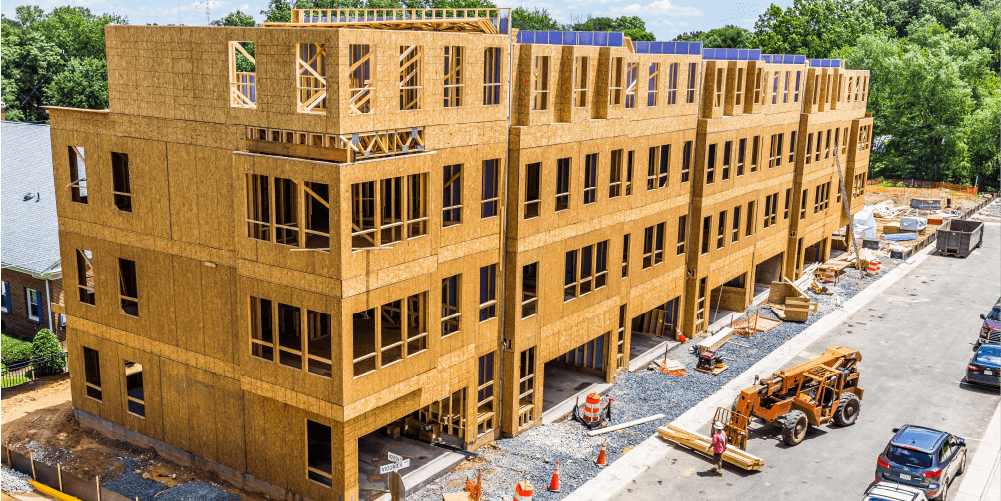
Construction projects are generally categorized into different types based on their purpose and scale. The three main types of construction include residential, commercial, and infrastructure projects.
Residential construction focuses on building homes, apartments, and housing complexes. Commercial construction involves offices, shopping malls, hospitals, and hotels. Infrastructure construction includes highways, bridges, airports, and railways that support public transportation and connectivity.
Each type of construction requires specialized skills and materials. For example, infrastructure projects often demand heavy machinery and reinforced materials, while residential construction emphasizes comfort and aesthetics. Understanding these categories helps in identifying the unique requirements and challenges associated with different construction projects.
Planning and Design Phase

The planning stage is one of the most critical aspects of construction. Before any physical work begins, architects and engineers create detailed blueprints and structural designs. This phase ensures that the construction project meets safety standards, budget requirements, and client expectations.
Feasibility studies, environmental assessments, and cost estimations are also conducted during this phase. Effective planning reduces delays and prevents costly errors during execution. The success of construction largely depends on how well the design aligns with practical implementation. Proper coordination among stakeholders ensures that the project progresses smoothly from concept to completion.
Image: Architectural Blueprint
(Photo showing detailed architectural drawings and design plans on a table.)
Materials Used in Construction

Construction relies heavily on durable and high-quality materials. Common materials include cement, concrete, steel, bricks, wood, glass, and aluminum. Each material serves a specific purpose in ensuring structural stability and aesthetic appeal.
Concrete is widely used in construction due to its strength and durability. Steel provides reinforcement and flexibility, making it ideal for high-rise buildings. Wood is often used in residential construction for framing and finishing purposes.
The choice of materials affects the cost, safety, and lifespan of a construction project. Modern construction also incorporates eco-friendly materials to reduce environmental impact. Selecting the right materials ensures long-term durability and sustainability.
Construction Process Step by Step
The construction process typically follows a structured sequence. It begins with site preparation, where land is cleared and leveled. The foundation is then laid to provide structural support. After the foundation, the framework of the building is constructed using steel or concrete.
Next comes the installation of walls, roofing, plumbing, and electrical systems. Interior finishing, painting, and flooring complete the structure. Finally, inspections are carried out to ensure compliance with safety standards.
Each stage of construction requires careful supervision and skilled labor. Delays or mistakes in one phase can impact the entire project timeline. Therefore, coordination and quality control are essential components of successful construction.
Safety Measures in Construction
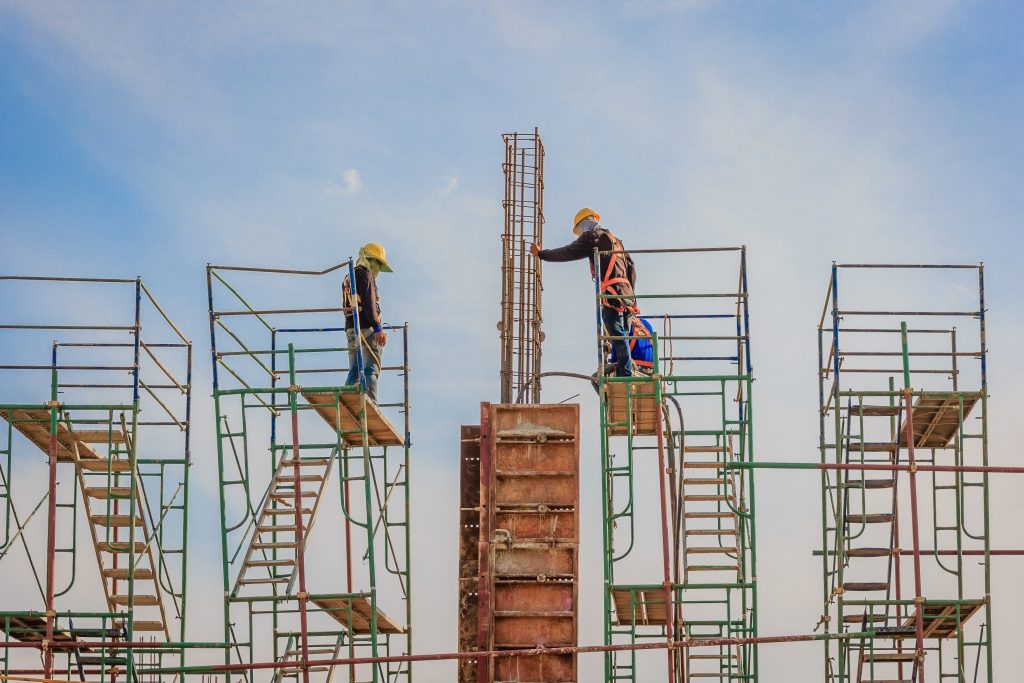
Safety is a top priority in construction projects. Construction sites can be hazardous due to heavy machinery, elevated structures, and electrical installations. Implementing strict safety protocols helps prevent accidents and injuries.
Workers are required to wear protective equipment such as helmets, gloves, safety boots, and reflective jackets. Regular safety training sessions are conducted to educate employees about potential risks.
Construction companies also follow government regulations and building codes to maintain safe working environments. By prioritizing safety, the construction industry protects both workers and the public while ensuring smooth project completion.
Image: Workers Wearing Safety Gear
(Photo showing construction workers wearing helmets and safety vests at a building site.)
Technology in Modern Construction
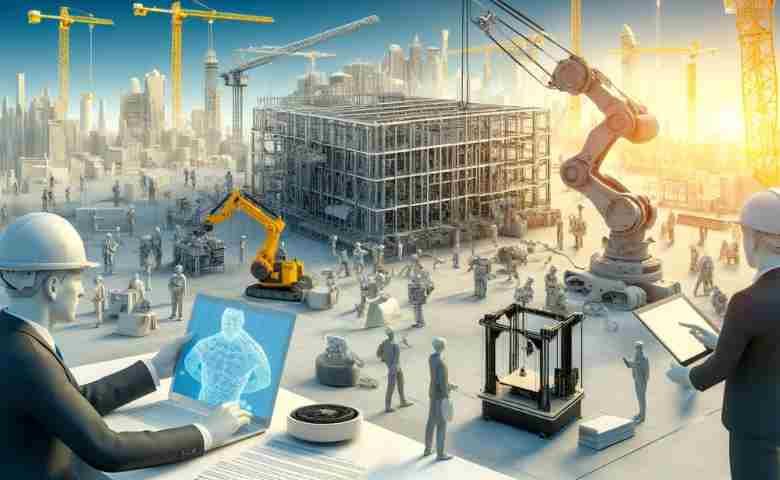
Technology has transformed the construction industry significantly. Advanced tools such as Building Information Modeling (BIM), drones, and 3D printing have improved efficiency and accuracy. These technologies allow professionals to visualize projects before actual construction begins.
Automation and robotics are also becoming common in large-scale construction projects. Smart machinery reduces manual labor and speeds up execution. Digital project management tools help track progress and manage budgets effectively.
The integration of technology in construction enhances productivity, minimizes errors, and reduces overall costs. As innovation continues, construction methods are expected to become more sustainable and efficient.
Economic Impact of Construction
Construction is a major contributor to national economies worldwide. It generates employment opportunities for millions of people, including engineers, laborers, architects, and suppliers. The growth of construction stimulates related industries such as cement manufacturing, steel production, and transportation.
Infrastructure construction supports economic development by improving connectivity and trade. Residential and commercial projects boost real estate markets and urban expansion.
Investment in construction leads to long-term economic stability and improved living standards. The industry’s impact extends beyond physical structures, influencing social and financial growth.
Sustainable Construction Practices
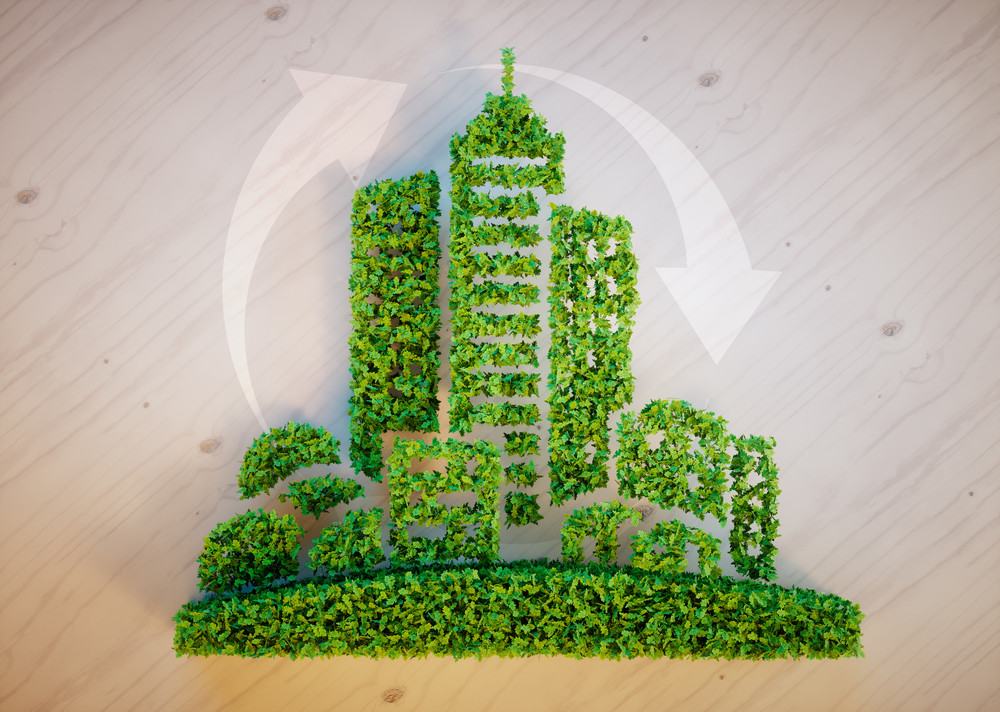
Sustainability has become an important focus in modern construction. Green building practices aim to reduce environmental impact and conserve natural resources. Energy-efficient designs, solar panels, and rainwater harvesting systems are increasingly incorporated into construction projects.
Recycling materials and minimizing waste are key aspects of sustainable construction. Eco-friendly construction reduces carbon emissions and promotes environmental responsibility.
By adopting sustainable practices, the construction industry contributes to a healthier planet while meeting growing infrastructure demands.
Key Elements of Construction Projects
| Element | Description | Importance |
|---|---|---|
| Planning | Designing and budgeting | Ensures feasibility |
| Materials | Cement, steel, wood, glass | Provides strength |
| Labor | Skilled and unskilled workers | Executes tasks |
| Safety | Protective measures | Prevents accidents |
| Technology | BIM, drones, automation | Improves efficiency |
This table highlights the essential components involved in construction projects.
Challenges in Construction
Despite its importance, construction faces several challenges. Rising material costs, labor shortages, and regulatory requirements can delay projects. Weather conditions also impact construction timelines, especially in large infrastructure developments.
Effective project management and financial planning help overcome these obstacles. Adopting modern technologies and sustainable practices further reduces operational challenges.
By addressing these issues strategically, the construction industry can maintain steady growth and efficiency.
Image: High-Rise Building Under Construction
(Photo showing cranes and workers building a tall skyscraper.)
Frequently Asked Questions (FAQs)
1. What is construction?
Construction is the process of building structures such as houses, roads, bridges, and commercial buildings.
2. What are the main types of construction?
Residential, commercial, and infrastructure construction are the main categories.
3. Why is safety important in construction?
Safety prevents accidents and ensures compliance with regulations.
4. How does technology improve construction?
Technology enhances accuracy, efficiency, and project management.
5. What is sustainable construction?
It involves eco-friendly practices that reduce environmental impact.
Conclusion
Construction is the backbone of modern civilization, shaping infrastructure and supporting economic development. From planning and material selection to safety measures and technological innovation, every aspect of construction requires precision and collaboration. The industry not only builds physical structures but also creates opportunities for growth and progress.
As urbanization continues and sustainability becomes a priority, construction will evolve with advanced technologies and eco-friendly practices. By understanding the importance of construction, we can appreciate the immense effort behind the buildings and infrastructure that define our everyday lives.
Read More:-